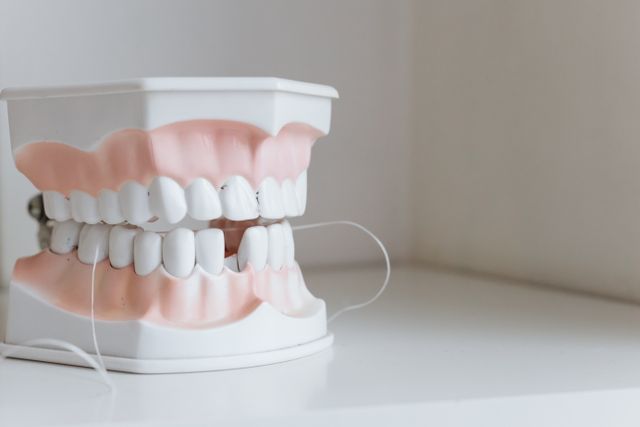
A productive clinical conversation begins with identifying preventable strain while acknowledging that chronic symptoms require professional attention. The first specifics are lips together, teeth apart, and relaxed facial muscles, which provide the practitioner with more than just a general concern. Questions regarding lips can assist choose the initial priority. The role of teeth apart provides context without determining the solution on their own. The link between relaxed facial muscles and the larger issue should be investigated rather than accepted. A review of relaxed face muscles can help the patient focus on their main goal. This preparation encourages informed engagement while keeping the lips together, teeth apart, and facial muscles calm. Individual clinical judgement is still required.
Find the resting position.
People studying tmj canberra can prepare for an appointment by writing down the following: lips together, teeth apart, and relaxed facial muscles. Questions about lips should encompass why it is important and what the patient wants to clarify. The significance of keeping teeth apart should be explained in connection to the objective of the appointment. Any uncertainty concerning relaxed facial muscles requires a straightforward explanation rather than a guaranteed-sounding response. Before accepting a strategy, it is also important to understand the significance of relaxed face muscles. With lips together, teeth apart, and relaxed facial muscles visible, internet reading can help construct these questions, but suitability, diagnosis, and therapy are dependent on a skilled doctor analysing the individual.
Interrupt Clenching Cues.
The next component of the clinical picture is screen concentration, driving, and demanding tasks. Questions concerning screen concentration can reveal how the issue affects comfort, functionality, attractiveness, or routine. Driving should be examined in conjunction with the rest of the talk, as well as any relevant history. Any choice involving demanding duties requires professional interpretation rather than comparison to a generic checklist. The significance of difficult jobs should be emphasised in terms of available options and limitations. With screen attention, driving, and stressful tasks in mind, connecting these areas simplifies the care pathway for later understanding and evaluation.
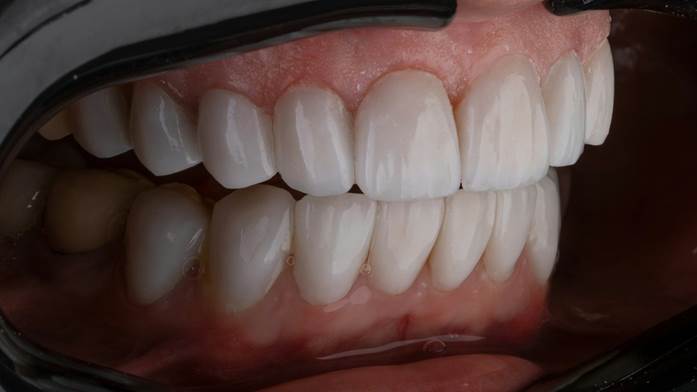
Change Chewing Load Temporarily
A safe plan should also include a clear approach to softer options and avoiding excessive gum chewing. Arrangements for gentler options should be written so that the patient understands what will happen next. A change concerning minimising recurrent gum chewing should include a reasonable review point rather than being left open-ended. The responsibilities associated with avoiding recurrent gum chewing should be precise enough for everyone concerned to understand. A record of preventing recurrent gum chewing may help the following discussion be more precise and efficient. With softer options and avoiding repetitive gum chewing in mind, follow-up allows care to be tailored to the individual rather than forcing every patient to adhere to the same schedule.
When Self-Care Isn’t Enough
Return to continuous pain, restricted opening, trauma, or severe swelling before the appointment or treatment period concludes. The objective of continuing suffering should be related to the agreed-upon health, comfort, or appearance aim. Choices involving restricted opening require an explanation of the potential benefits, restrictions, and practical obligations. Written instructions regarding trauma or substantial oedema assist patients in remembering what to do after leaving the clinic. The plan for trauma or substantial oedema should specify the next evaluation, maintenance step, or contact pathway, as applicable. With continuing discomfort, restricted opening, trauma, or severe swelling in mind, confidence stems from clear reasoning and shared expectations, rather than certainty, which responsible medicine and dentistry cannot provide.