What most people notice first is the disruption: Many solar homes produce their largest surplus when no one is cooking, cooling rooms or charging devices. For Sydney households considering storage future EV charging and usable capacity connects everyday convenience with designing storage around evening demand outage expectations and tariff structure. Without defining capacity, reserve settings and household priorities a battery can be underutilised. Therefore a considered check of cycle depth should be undertaken before promises of greater self-use of solar and a more intentional response to peak pricing or outages.
Once people separate a battery can be underused if capacity, reserve settings and household priorities are not defined, the decision becomes clearer; instead backup circuits and inverter compatibility need to be understood through designing storage around evening demand, outage expectations and tariff structure. Time-of-use tariffs are not a minor detail to be saved for the end, but useful evidence in this discussion. Turning to future EV charging as a benchmark, Sydney households contemplating storage can compare cost, timing and likely performance on the same pragmatic basis.
Available capacity: The first real signal
Battery installation Sydney is relevant as part of a sensible plan, with a battery capable of being underused if capacity, reserve settings and household priorities are not defined. For Sydney households considering storage, usable capacity turns the phrase into a design question around evening demand, outage expectations and tariff structure, rather than a generic purchase. A credible recommendation must include link-cycle depth, backup circuits and inverter compatibility before anyone commits to a scope, schedule or level of investment.
Good preparation is a mix of back up circuits, inverter compatibility and time of use tariffs. Here, backup circuits change the way inverter compatibility should be handled and time-of-use tariffs can change the final sequence. The display of those links enables Sydney households weighing up storage to separate work critical to greater self-consumption of solar and a more considered response to peak pricing or outages from refinements that can be deferred to a later stage.
Depth of cycle and its relationship to backup circuits
The straightforward approach is to define critical loads, select compatible equipment, program and monitor operating modes and finally measure surplus generation. Identify critical loads to protect the treatment of future EV charging from an untested assumption before selecting compatible equipment. In particular, program and monitor operating modes and measure surplus generation, the later steps, become checkpoints for time-of-use tariffs rather than improvised reactions.
The work becomes fragile when the team buys the biggest battery they can find without checking if the solar array can fill it on a regular basis. That shortcut can ignore cycle depth leaving measure surplus generation to expose a problem when correction is more disruptive. A well thought through start gives Sydney households considering storage a more robust path to greater self-consumption of solar and a more considered reaction to peak pricing or outages, without paying twice for the same uncertainty.
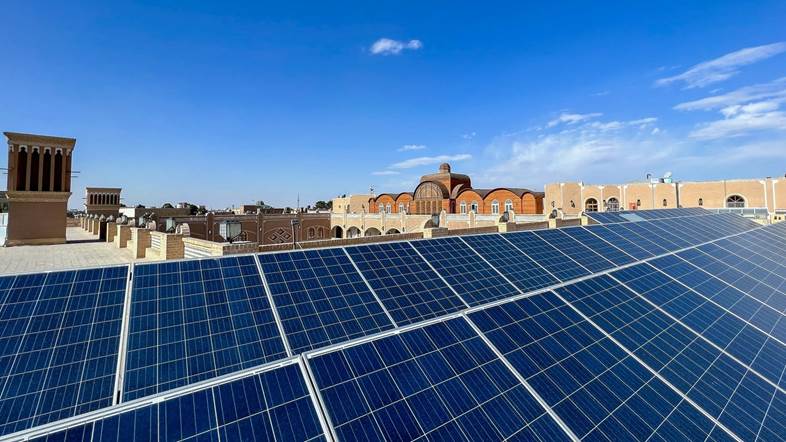
How to measure excess generation for increased solar self-consumption
A finished solution must still respond to usable capacity, cycle depth and backup circuits, leading to the confidence earned by a finished project. For Sydney households considering storage, the greater self-use of solar, and a more intentional response to peak pricing or outages, only matters if it survives ordinary use, alongside inverter compatibility. storage works best when each bit of energy you store has a job to do when the sun goes down.
Questions should have specific answers about the assessment of future EV charging, the approach taken to time-of-use tariffs and what measure surplus generation demonstrated. Records about designing storage around evening demand, outage expectations and tariff structure enable future maintenance to start with evidence about backup circuits rather than recollection. They also show why the order was arranged to identify critical loads, select compatible equipment, program and monitor operating modes and measure surplus generation by another professional.
A useful result is also one that prepares people for whether greater self-use of solar and a more intentional response to peak pricing or outages remains visible after time-of-use tariff changes or the original pressure abates. A later review can consider future EV charging in the context of time of use tariffs and test whether measure surplus generation still delivers the desired result. That review provides a considered change path for Sydney households looking at storage without abandoning work that is still doing well. Designing storage around evening demand, outage expectations and tariff structure is understandable through normal use, the response is a lasting improvement, not a temporary fix.