Ducted air conditioning systems are a luxury upgrade because they provide even temperatures throughout the house and do not have the visible wall units of a conventional system. Depending on the size of the house, system capacity, and the number of zones, the installed price for a residential ducted system can range from around AUD 9,000 to over AUD 25,000 across Australia. While homeowners typically plan for the purchase price and installation, there are additional expenses that are often not accounted for until the work has started or the system is running. This can cause added stress to household budgets. Knowing these hidden costs before signing a contract or beginning work can help homeowners make better decisions and more accurately predict the long-term affordability of a ducted air conditioning system.
Ceiling Space Modifications and Structural Adjustments
One of the most often overlooked elements of a ducted air conditioning installation is the preparation of the roof cavity and ceiling space. Homes in Australia, particularly older homes built before current energy-efficiency regulations came into effect, may have limited access to roof cavities or may have structural features that make duct installation more complex. These conditions can require installers to move electrical wiring, strengthen roof trusses, or create additional access points before the system can be fitted correctly. These installation challenges can raise labour costs by 10% to 20% compared with projects with straightforward roof access, according to industry pricing data. This extra expense is especially prevalent in mature suburban neighbourhoods with existing homes. Homeowners researching ducted air conditioning Melbourne solutions frequently discover that heritage homes and older brick properties may need duct layouts designed to accommodate structural limitations. This can result in a final project cost that exceeds initial quotes.
Electrical Upgrades That Are Not Included in Base Quotes
Expecting the existing electrical system to accommodate a new ducted air conditioning unit without changes is a common mistake made by many homeowners. New high-capacity reverse-cycle systems require a lot more electricity than older heating or cooling equipment. Australian installation guidelines indicate that upgrading a switchboard, installing dedicated electrical circuits, and doing required safety compliance work can add between AUD 800 and AUD 2,000 to the project cost. In particular, electrical upgrades are more common in older homes, those built several decades ago, because the wiring and protection systems may no longer comply with current Australian standards. The installation of modern ducted air conditioning systems can also require additional dedicated power supplies and upgraded circuit protection. These requirements are often not discovered until an on-site assessment has been conducted. These costs are often the most common hidden costs homeowners face.
Insulation Deficiencies That Increase Operating Costs
The biggest costs associated with a ducted air conditioning system are not incurred at installation. They are incurred years later due to poor insulation. According to Australian Government energy data, heating and cooling account for approximately 20% to 50% of household energy consumption, depending on the local climate zone. If a home is not properly insulated, conditioned air escapes more rapidly. This results in the system running longer to maintain a comfortable indoor temperature. Research into Australian housing efficiency concluded that the energy used to heat and cool a home could be reduced by up to 45% by upgrading an uninsulated ceiling to a properly insulated roof space. Often, homeowners who install a ducted system without addressing insulation upgrades find that their electricity bills are significantly higher than anticipated. Upgrades to insulation may not seem to be part of the air conditioning project. If not addressed, it can represent a long-term financial burden that will last for the life of the system.
Zoning Systems and Smart Controls
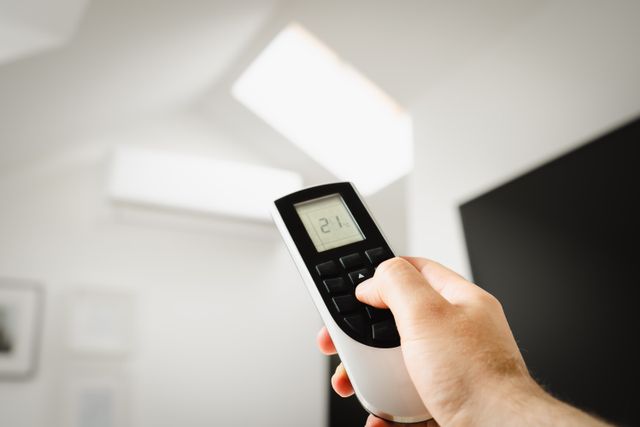
Many homeowners discover after the planning stage that they require additional zone motors, advanced controllers, or smart-home integration to achieve the desired comfort level. Estimates suggest that this can add between AUD 500 and AUD 1,200 to installation costs for ducted air conditioning systems. While zoning does incur a higher initial cost, it can lower annual operating costs by 30% to 50% more than running the system continuously. Other homeowners will opt to omit some of these features in the initial installation to cut costs. They add them later after they have realised how limited a basic system is. Zoning equipment is typically more expensive to retrofit than if installed in the original project. The total investment will be higher than it would have been from the start.
Maintenance, Cleaning, and Component Replacement
While a standard split system has a few components that need regular maintenance, a ducted air conditioning system has many. Each one needs ongoing maintenance to ensure the system is running efficiently. These components include ductwork, return-air grilles, filters, sensors, indoor units, and zone controllers. The annual maintenance cost is usually between AUD 150 and AUD 300, not including major repairs. Over 15 years, the cost of routine servicing alone can amount to between AUD 2,250 and AUD 4,500. Additional costs can occur due to damage to ducting, filter replacement, and electronic controller faults. As many of these components are installed within the roof cavity, it often takes longer and more labour to locate and repair problems than homeowners expect. This drives up maintenance costs.
Higher Energy Consumption Than Expected
The last hidden cost is the running cost of the system. Heating and cooling account for about 40 per cent of all energy used in Australian homes and are the largest contributors to domestic electricity use. Although modern inverter-driven ducted air conditioning systems are much more efficient than older models, it still takes more energy to condition a whole house than to cool or heat just a single room. Actual running cost varies according to climate, level of insulation, occupancy, daily usage and whether the system has been correctly sized to the property. Industry estimates are that operating costs range between AUD 0.30 and AUD 0.60 per hour in normal circumstances. Systems that are oversized, poorly designed, or installed in homes with inadequate insulation can use much more electricity. This is often not discovered until the system has been running for months. It is one of the most overlooked long-term costs of installing a ducted air conditioning system.